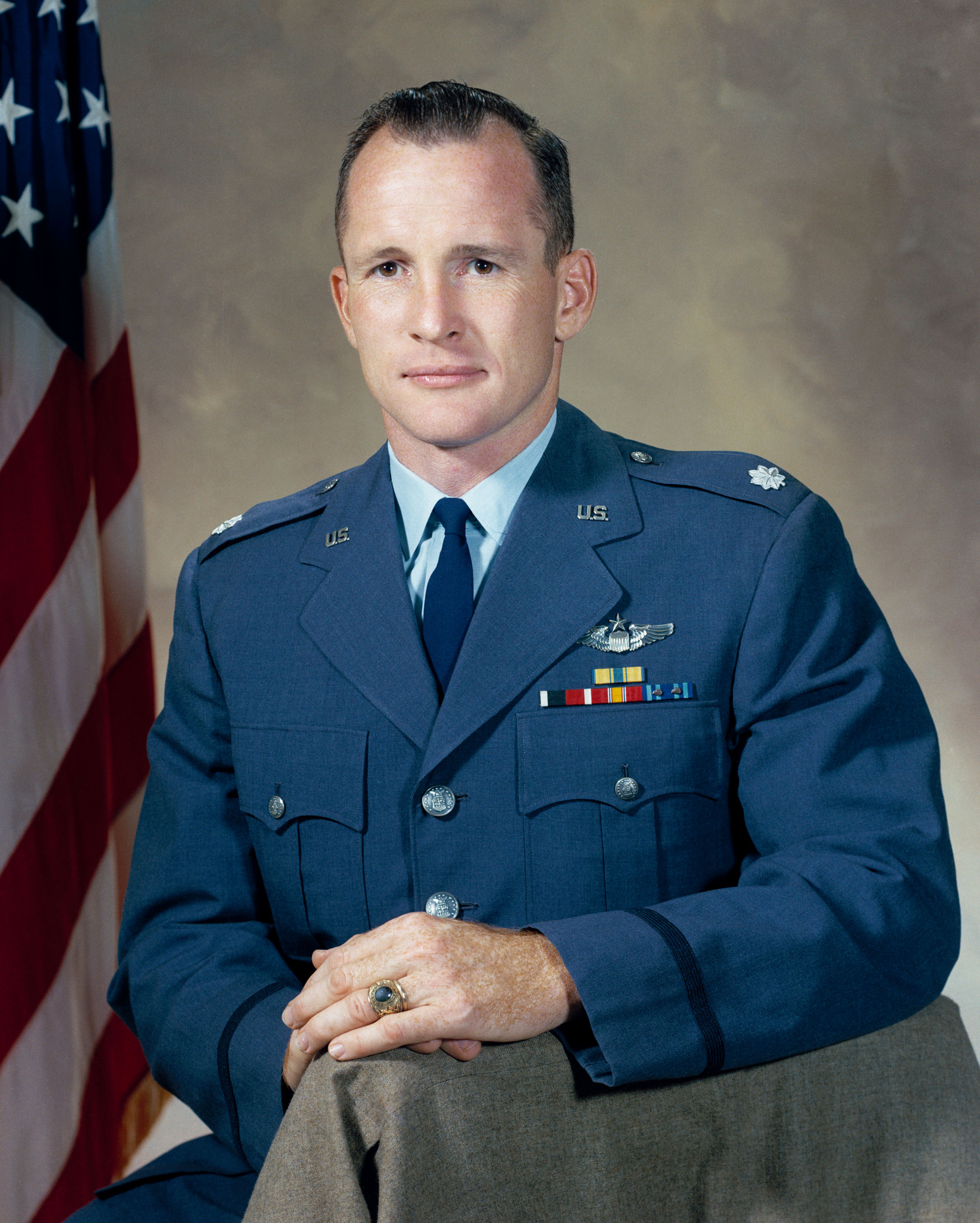
1965: American astronaut Edward White performs the first United States extravehicular activity (EVA) during the Gemini 4 mission. Tethered by an 8-metre umbilical cord and using a compressed gas gun to manoeuvre, he spent 23 minutes in weightlessness above the Earth. This experience, though physically exhausting, demonstrated the viability of future operations on the lunar surface and marked a turning point in the Space Race against the USSR.
1769: The transit of Venus is observed by scientific expeditions sent to the four corners of the globe. In Tahiti, the British explorer James Cook and the astronomer Charles Green took precise measurements from "Point Venus". By combining these data with those of other observers (such as Chappe d'Auteroche in Baja California), scientists managed to estimate for the first time with modern accuracy the Earth-Sun distance (approximately 150 million km). This international effort is considered one of the first major projects of global scientific cooperation.
Image credits : nasa.gov